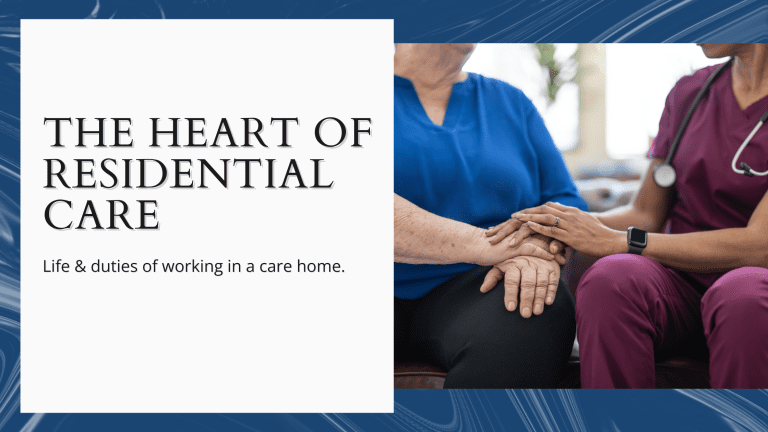
Care home workers don’t get enough credit for the work they do, they play a vital role in ensuring the well-being of residents and also each other. Their dedication and compassion make a significant impact on the lives of those they care for. However, the demanding nature of this profession also poses numerous challenges. From the emotional and physical well-being of care home workers to highlighting the challenges they face and the support systems available.
Emotional Challenges Faced by Care Home Workers
It’s no secret that carers will develop a strong bond with those they are looking after, while the role itself may pose its flurry of obstacles, it’s seldom noted the emotional challenges that develop as these relationships mature and bonds grow stronger.
Emotional Strain of Caregiving: Caring for residents involves forming close emotional bonds, which can be both rewarding and challenging. The emotional strain of caregiving arises from the responsibility of ensuring residents’ well-being and the personal connections developed with them.
Impact of Forming Close Bonds with Residents: Building relationships with residents is essential for providing personalized care. However, it also means that care workers experience emotional highs and lows, sharing in the joys and sorrows of those they care for.
Managing Grief and Loss: The nature of residential care means that care workers often face the reality of losing residents. Managing grief and maintaining professionalism in such circumstances requires emotional resilience and support.
Physical Demands of the Job
Care home workers perform various physically demanding tasks, including lifting and transferring residents, assisting with mobility, and performing personal care tasks such as bathing and dressing, these constant tasks and responsibilities can take their toll on the body.
Risks of Physical Injury and Strain: The physical demands of the job put care workers at risk of injuries such as back pain and muscle strain. Ensuring proper techniques and using assistive equipment are crucial in minimizing these risks.
Importance of Proper Techniques and Equipment: Training in manual handling and access to appropriate equipment, such as hoists and transfer aids, are essential in preventing injuries and ensuring the safety of both care workers and residents.
Balancing Workload and Personal Life
- Challenges of High Resident-to-Staff Ratios – High resident-to-staff ratios can lead to heavy workloads, making it challenging for care workers to provide individualized attention and maintain a work-life balance.
- Strategies for Effective Time Management -Effective time management strategies, such as prioritizing tasks, delegating responsibilities, and maintaining clear communication, can help care workers manage their workload more efficiently.
- Importance of Work-Life Balance – Maintaining a healthy work-life balance is crucial for the well-being of care workers. It helps prevent burnout, reduces stress, and ensures they can provide high-quality care.
Support Systems for Emotional Well-being
Mental health support is vital for care workers to manage the emotional challenges of their job. Access to counseling, therapy, and mental health resources can significantly improve their well-being. Many care homes offer access to counseling services and support groups, providing a safe space for care workers to share their experiences and receive emotional support. Building a supportive network among colleagues fosters a sense of camaraderie and helps care workers cope with the emotional demands of their job.
Physical Health Support and Resources
Providing Ergonomic Equipment and Training: Care homes should provide ergonomic equipment and training in proper techniques to reduce the risk of physical injuries and ensure the safety of care workers.
Access to Healthcare Services for Staff: Ensuring that care workers have access to healthcare services, including regular check-ups and treatment for injuries, is crucial for their physical well-being.
Encouraging Physical Fitness and Wellness Programs: Promoting physical fitness and wellness programs can help care workers maintain their health and reduce the risk of injuries related to their physically demanding job.
Training and Professional Development
Ongoing Education and Skill Enhancement
Ongoing education and professional development opportunities help care workers stay updated with best practices and enhance their skills, improving the quality of care they provide. Specialized training in managing emotional and physical stress equips care workers with the tools they need to handle the challenges of their job effectively. Providing career development opportunities helps retain skilled care workers and ensures they feel valued and motivated to continue their professional growth.
Creating a Positive Work Environment
A supportive and inclusive workplace culture fosters a positive work environment, where care workers feel respected, valued, and motivated. Encouraging teamwork and collaboration among staff promotes a sense of unity and ensures that care workers can rely on each other for support. Implementing recognition and reward systems acknowledges the hard work and dedication of care workers, boosting morale and job satisfaction. It’s always great to bring everyone together and celebrate the work you’ve all accomplished.
Future Directions and Predictions
- Innovations in Employee Support Programs – Exploring new and innovative support programs can further enhance the well-being of care workers, addressing emerging challenges and needs.
- Predictions for the Future of Care Home Worker Support – Predicting future trends in staff support helps care homes stay ahead of the curve, ensuring they continue to provide the best possible environment for their workers.
The well-being of care home workers is essential for maintaining high-quality care in residential care homes. By addressing the emotional and physical challenges they face and providing robust support systems, care homes can ensure that their staff are healthy, motivated, and capable of delivering compassionate care. Investing in the well-being of care workers ultimately benefits both the staff and the residents they care for.
FAQs
What emotional challenges do care home workers face?
Care home workers face emotional challenges such as forming close bonds with residents, managing grief and loss, and dealing with the emotional strain of caregiving.
How can care homes support the physical health of their staff?
Care homes can support the physical health of their staff by providing ergonomic equipment, training in proper techniques, access to healthcare services, and promoting physical fitness programs.
Why is work-life balance important for care home workers?
Work-life balance is important for care home workers as it helps prevent burnout, reduces stress, and ensures they can provide high-quality care.
What training opportunities are available for care home workers?
Training opportunities for care home workers include ongoing education, specialized training for handling stress, and career development programs.
How can care homes create a positive work environment for their staff?
Care homes can create a positive work environment by fostering a supportive and inclusive culture, encouraging teamwork, and implementing recognition and reward systems for staff.